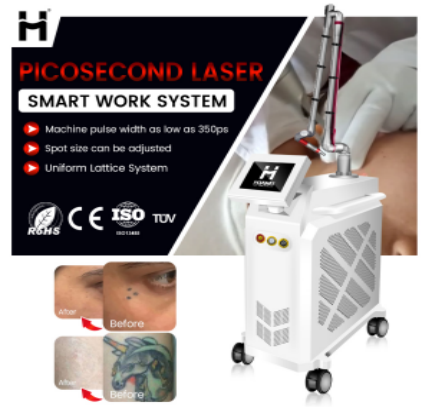
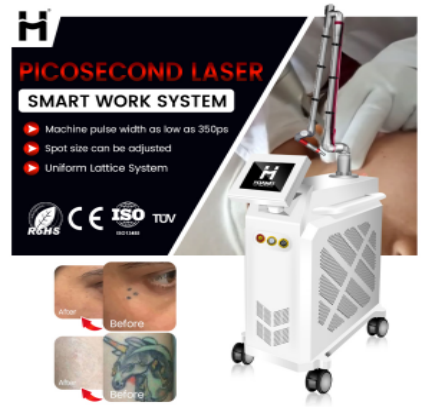
Shandong Huamei Technology Co., Ltd. (Huamei), headquartered in Shandong Province, China, has emerged as one of the leading manufacturers of high-tech laser beauty devices for the global medical and aesthetic industries. With more than two decades of technical expertise, Huamei is recognized for its precision engineering and continual innovation in advanced laser systems.
Among its diverse product portfolio, the Picosecond Tattoo Removal Laser Machine has become one of the companys most acclaimed technologies. Known for its speed, efficiency, and reduced thermal impact on the skin, the Picosecond Tattoo Removal Laser Machine is widely adopted by medical clinics, aesthetic centers, and dermatology practices worldwide. As a result, Huamei has earned its position as a trusted Picosecond Tattoo Removal Laser Machine supplier in both emerging and developed markets.
The Picosecond Tattoo Removal Laser Machine represents a major advancement compared with traditional nanosecond lasers. It delivers ultra-short pulses measured in picoseconds, enabling the laser energy to break down tattoo pigment into ultra-fine particles with significantly less heat and tissue damage. This results in:
Because of these advantages, medical practitioners increasingly prefer the Picosecond Tattoo Removal Laser Machine over older technology. Huameis adoption of high-precision laser modules and advanced optical engineering makes its machines particularly suited for modern aesthetic practices that prioritize safety and patient satisfaction.
The medical and aesthetic laser market has expanded rapidly over the past decade, driven by rising global demand for non-invasive treatments. Tattoo removal is among the fastest-growing segments. As tattoo culture becomes more widespread, the need to modify, lighten, or remove tattoos has also increased.
Traditional laser systems have struggled with slow treatment cycles and discomfort, making the Picosecond Tattoo Removal Laser Machine a preferred alternative. Market research indicates that the global aesthetic laser market will maintain a CAGR of over 11% through 2027 due to:
The Picosecond Tattoo Removal Laser Machine is expected to remain at the forefront of this growth. As competition intensifies, medical providers are turning to reliable suppliers with a proven track record. Huameis ongoing investments in R&D and product innovation position the Shandong-based company as a long-term leader in this rapidly developing field.
Huameis global success is supported by a comprehensive set of international certifications. These demonstrate the companys commitment to quality, regulatory compliance, and patient safetycritical factors for operators relying on a Picosecond Tattoo Removal Laser Machine in clinical settings.
Key certifications include:
This globally recognized quality management system certification ensures Huamei maintains strict controls over design, manufacturing, and service processes for medical devices.
Approval from the UK Medicines and Healthcare products Regulatory Agency confirms that Huameis Picosecond Tattoo Removal Laser Machine and other devices meet high safety standards required for the British market.
The Medical Device Single Audit Program allows Huameis equipment to be distributed in multiple markets, including the U.S., Canada, Australia, Brazil, and Japan, based on a single unified audit.
The CE mark from TÜV SÜD ensures compliance with EU safety, performance, and environmental protection requirements, enabling Huamei to distribute the Picosecond Tattoo Removal Laser Machine across Europe.
FDA approval confirms that Huameis laser systems meet the strict clinical safety standards of the U.S. medical market.
This certification demonstrates environmental responsibility by ensuring that Huameis devices do not contain hazardous substances.
Collectively, these certifications reinforce Huameis status as a compliant, trustworthy provider of high-quality medical laser equipment.
Huameis strength is built on more than 20 years of technological innovation and advanced laser engineering. The company's Shandong-based R&D center focuses on continuous improvements, ensuring every productespecially the Picosecond Tattoo Removal Laser Machinereflects the highest standards of precision and reliability.
Key Product Categories
Huamei provides a broad range of laser and aesthetic systems, including:
Among these, the Picosecond Tattoo Removal Laser Machine continues to stand out. Its ultra-short pulse duration offers superior pigment targeting, reduced thermal injury, and faster treatment timescritical advantages as demand for tattoo removal surges globally.
Huamei distributes its products to more than 120 countries, including North America, Europe, Southeast Asia, and the Middle East. Many leading aesthetic clinics and medical institutions rely on the Shandong-manufactured Picosecond Tattoo Removal Laser Machine for its stability, advanced engineering, and long-term performance.
The company also provides comprehensive customer support, technical training, and after-sales servicekey elements that help practitioners maintain optimal treatment outcomes. Huameis consistent product quality and reliable service networks have strengthened its reputation worldwide.
Shandong Huamei Technology Co., Ltd. has firmly established itself as an industry leader and a globally recognized Picosecond Tattoo Removal Laser Machine supplier. Its strong R&D capabilities, internationally certified manufacturing systems, and dedication to innovation continue to elevate its position in the aesthetic laser market.
For clinics, hospitals, and aesthetic professionals seeking advanced tattoo removal solutions, the Picosecond Tattoo Removal Laser Machine from Shandong Huamei offers a blend of efficiency, safety, and long-term reliability. Supported by world-class certifications and more than 20 years of expertise, Huamei remains one of the most trusted partners for high-performance medical laser systems.
For more detais about Huameis full product line, visit www.huameilaser.com
Source :Shandong Huamei Technology Co., Ltd. (Huamei)
This article was originally published by IssueWire. Read the original article here.